 DirectiveAI®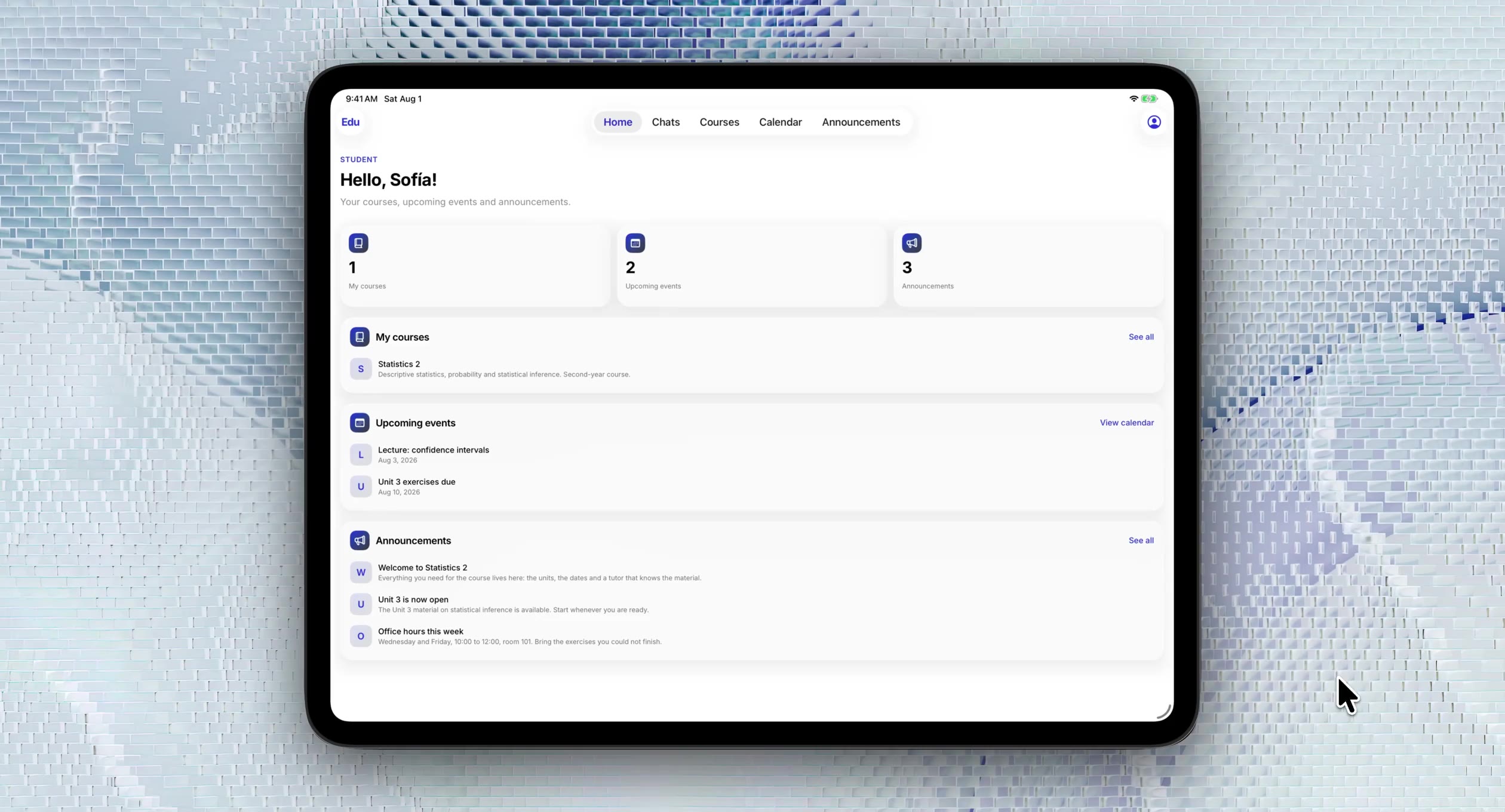
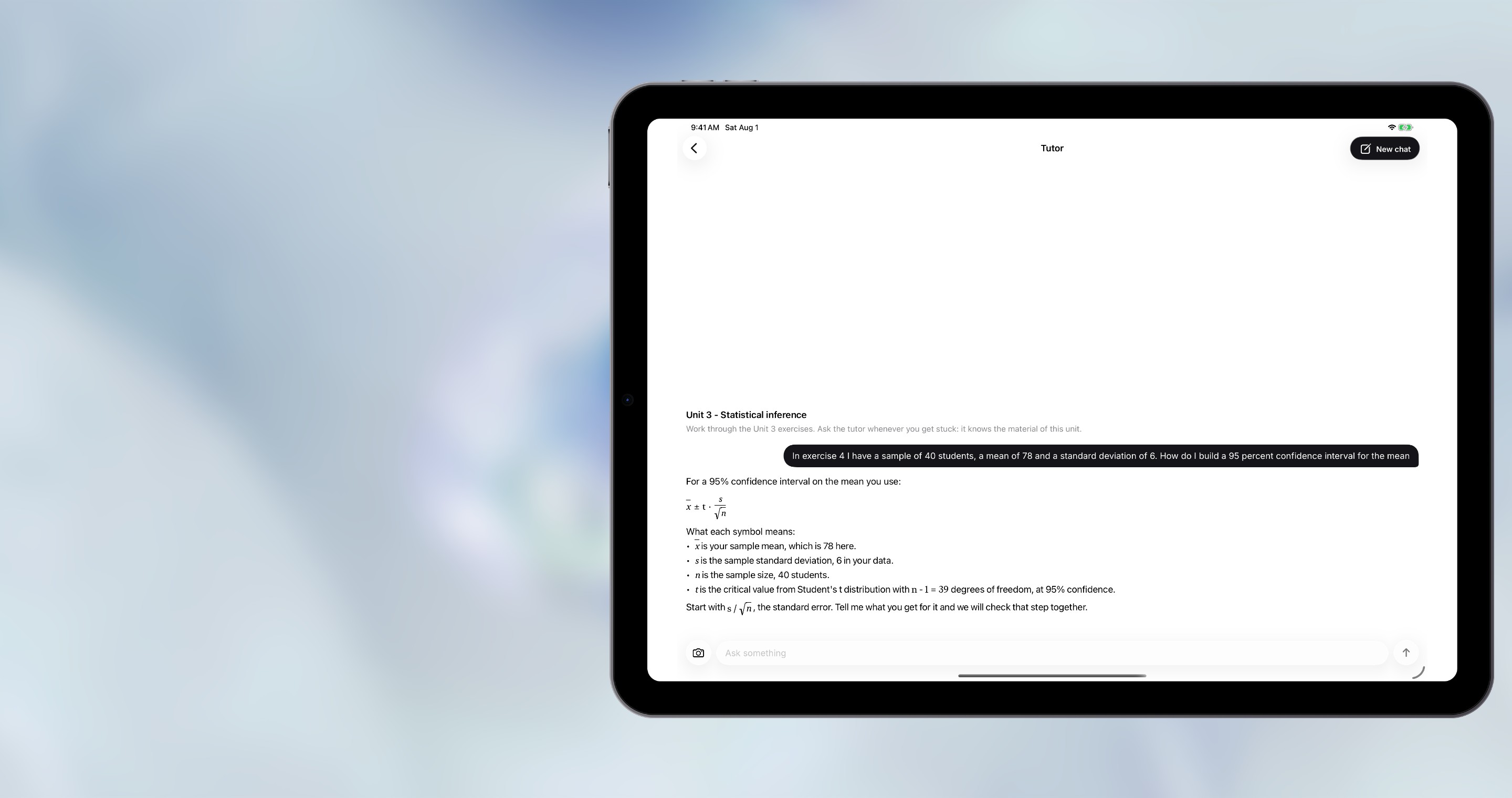
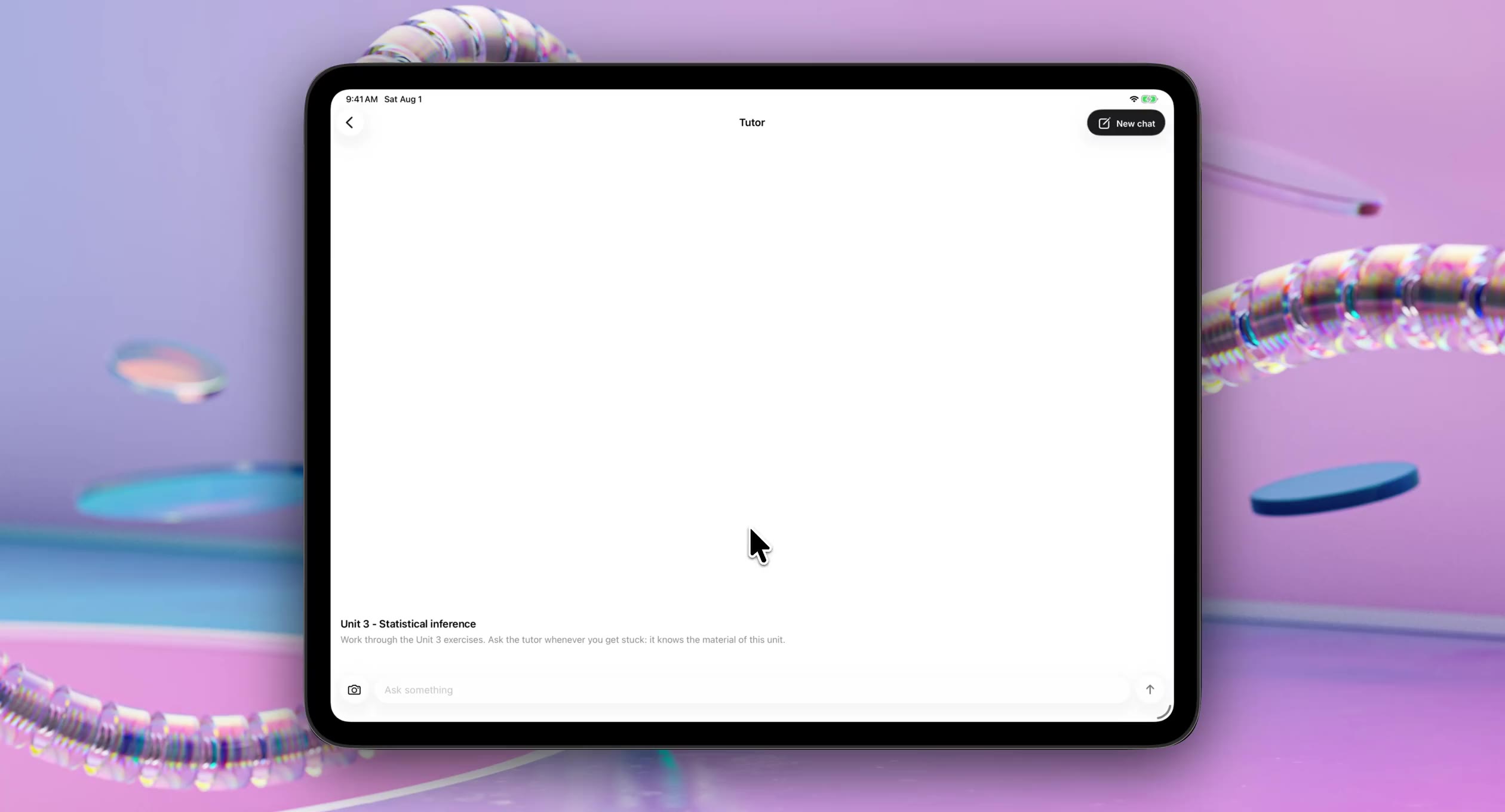
A tutor that hands over the formula, explains every symbol, and leaves the arithmetic to the student.
Never the answer.
Already teaching real students across university courses.
A tutor that hands over the formula, explains every symbol, and leaves the arithmetic to the student.
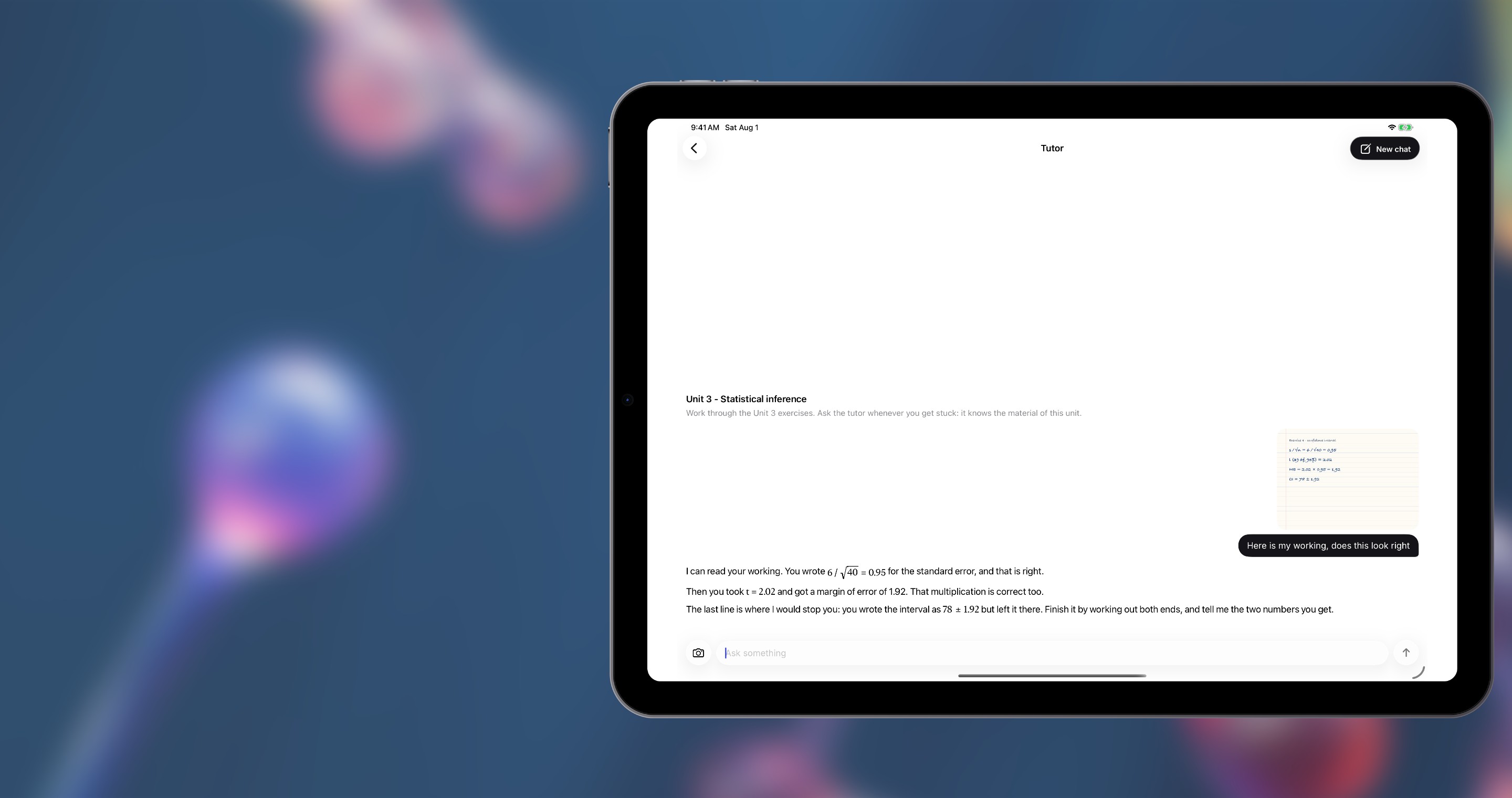
Work it out by hand on the whiteboard, send it over, and the tutor reads it back as an image.
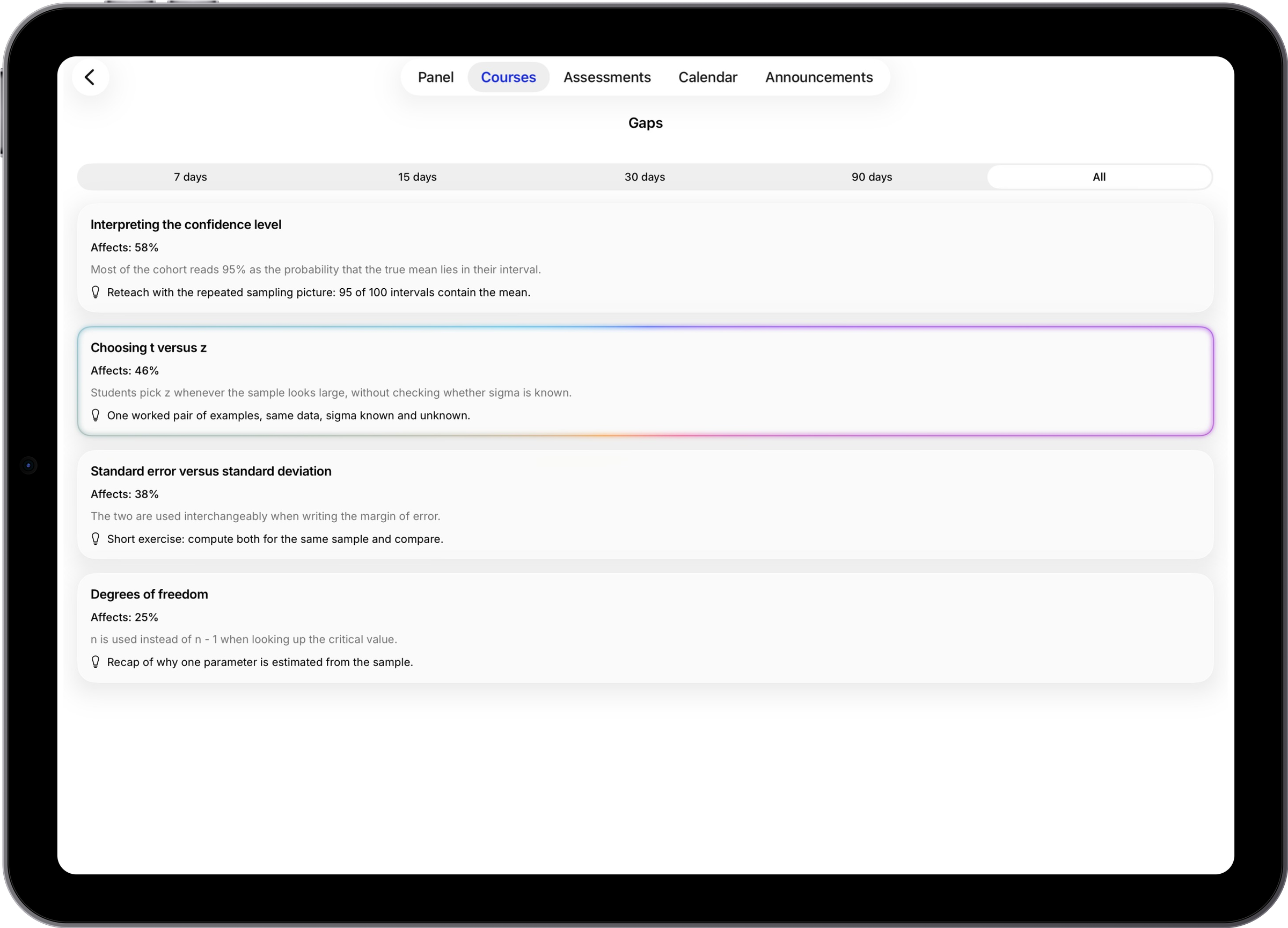
Every gap ranked by severity, with the share of the cohort it touches and what to reteach.
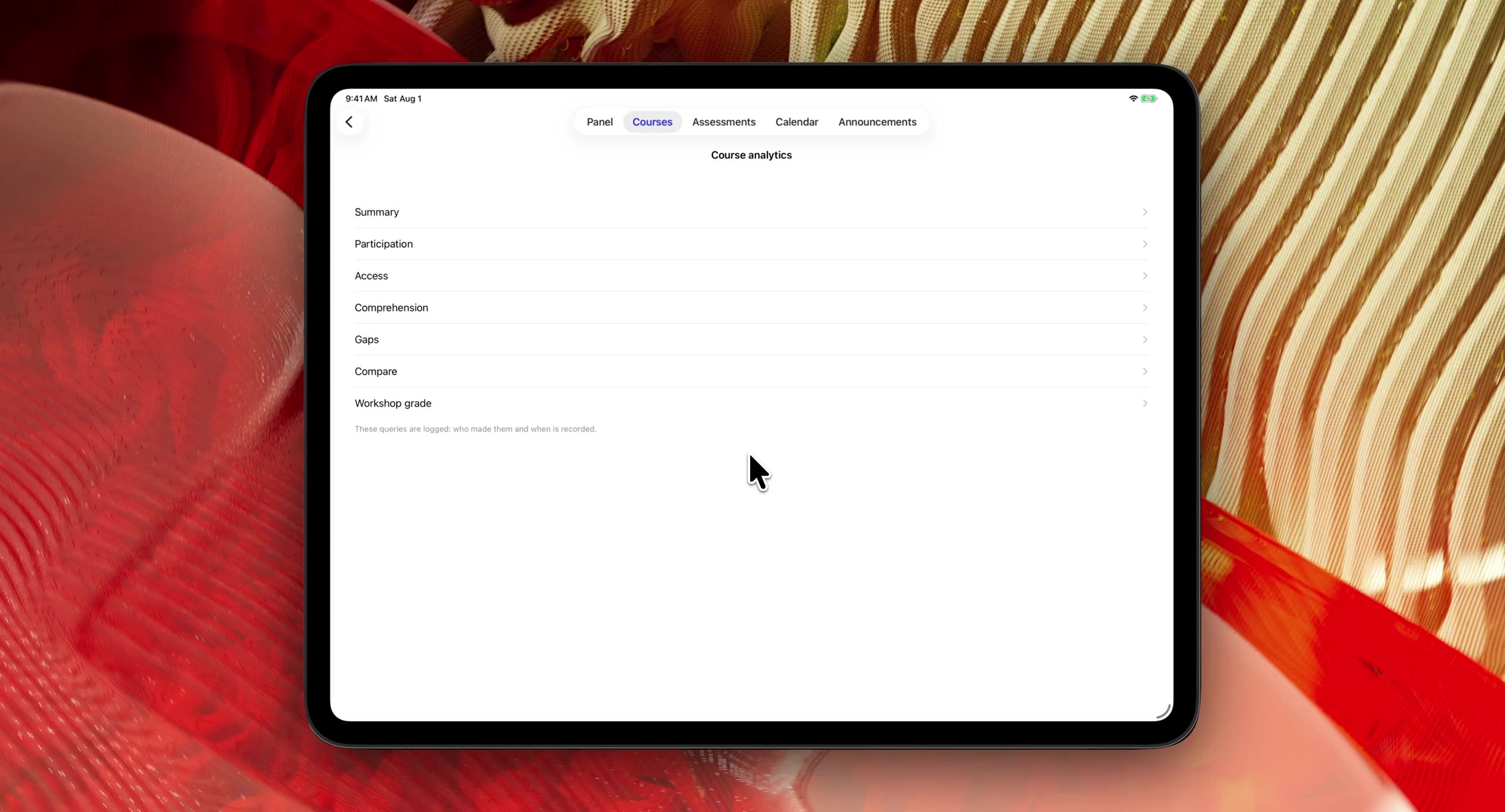
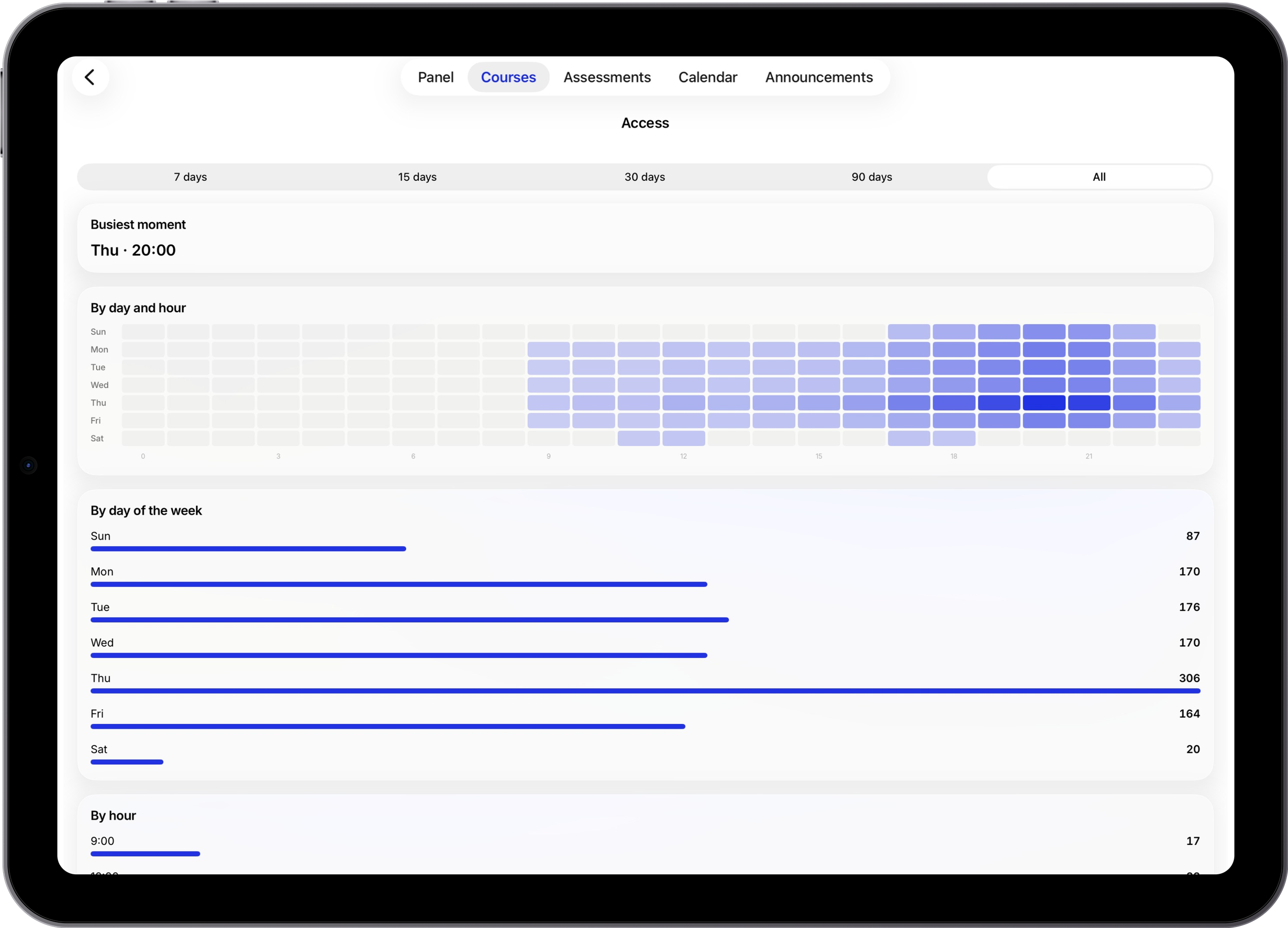
A heat map of when the cohort actually works, not when you assumed they would.
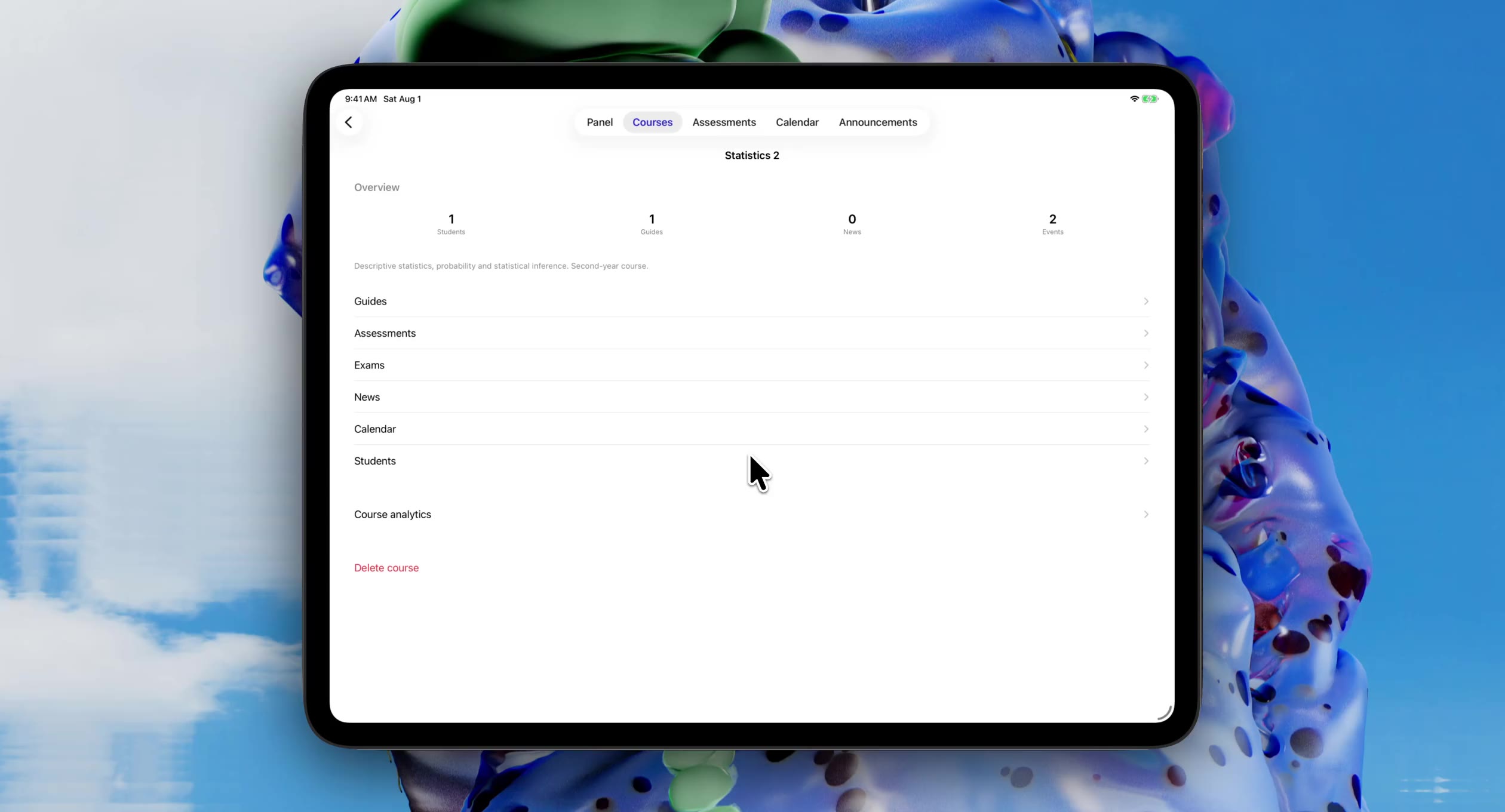
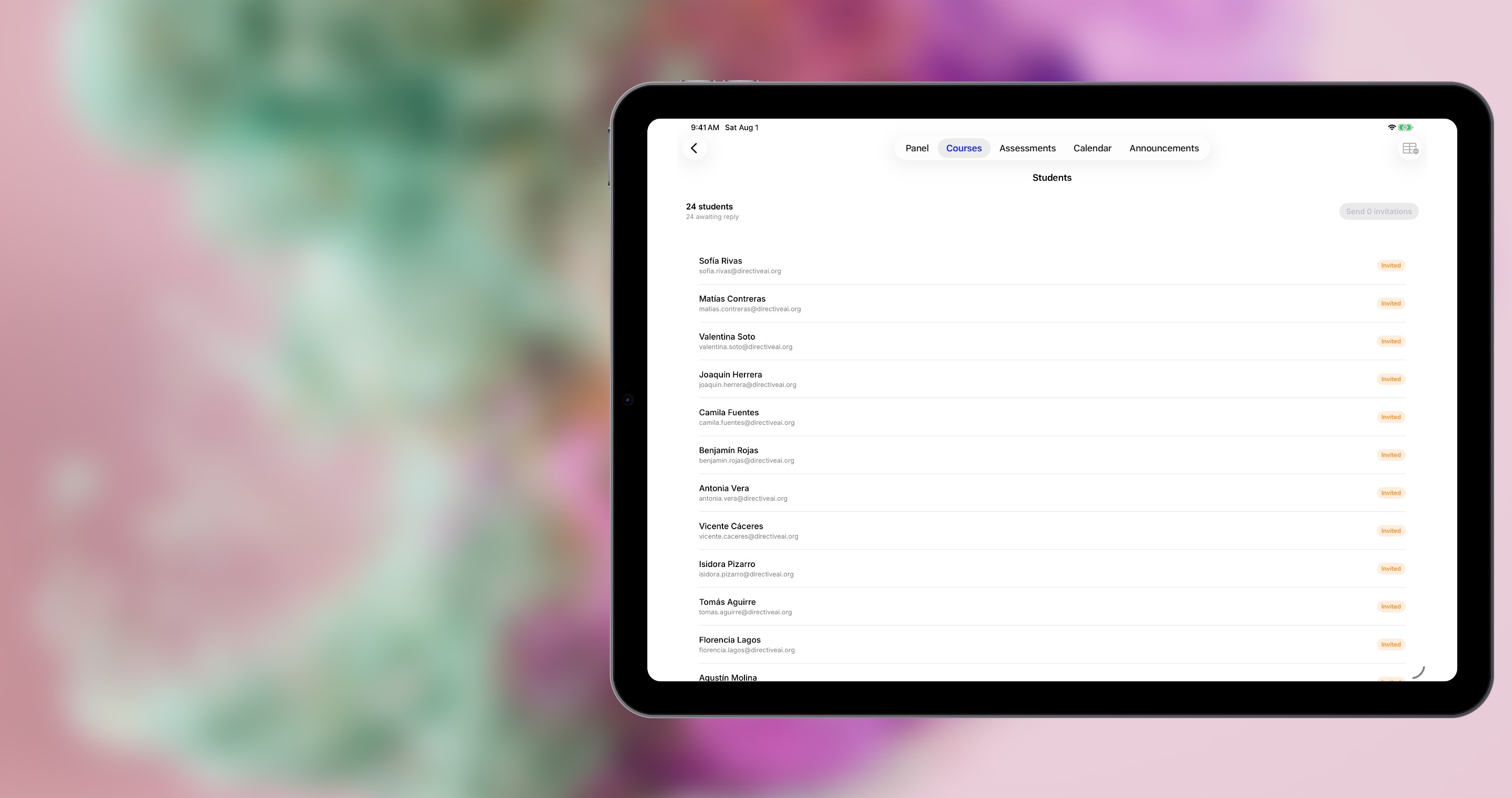
Upload the class list from a spreadsheet, then send every invitation in one pass.
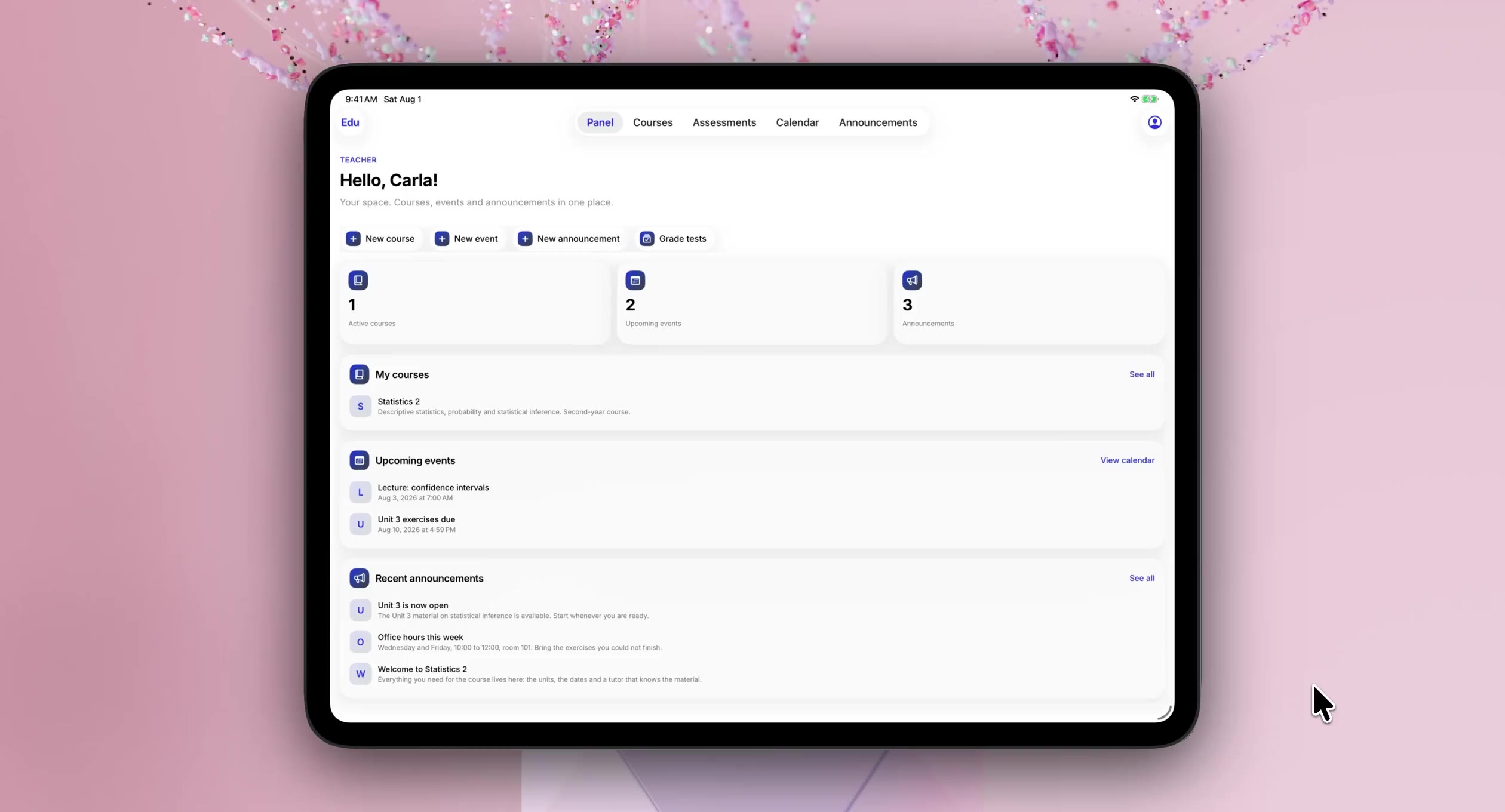
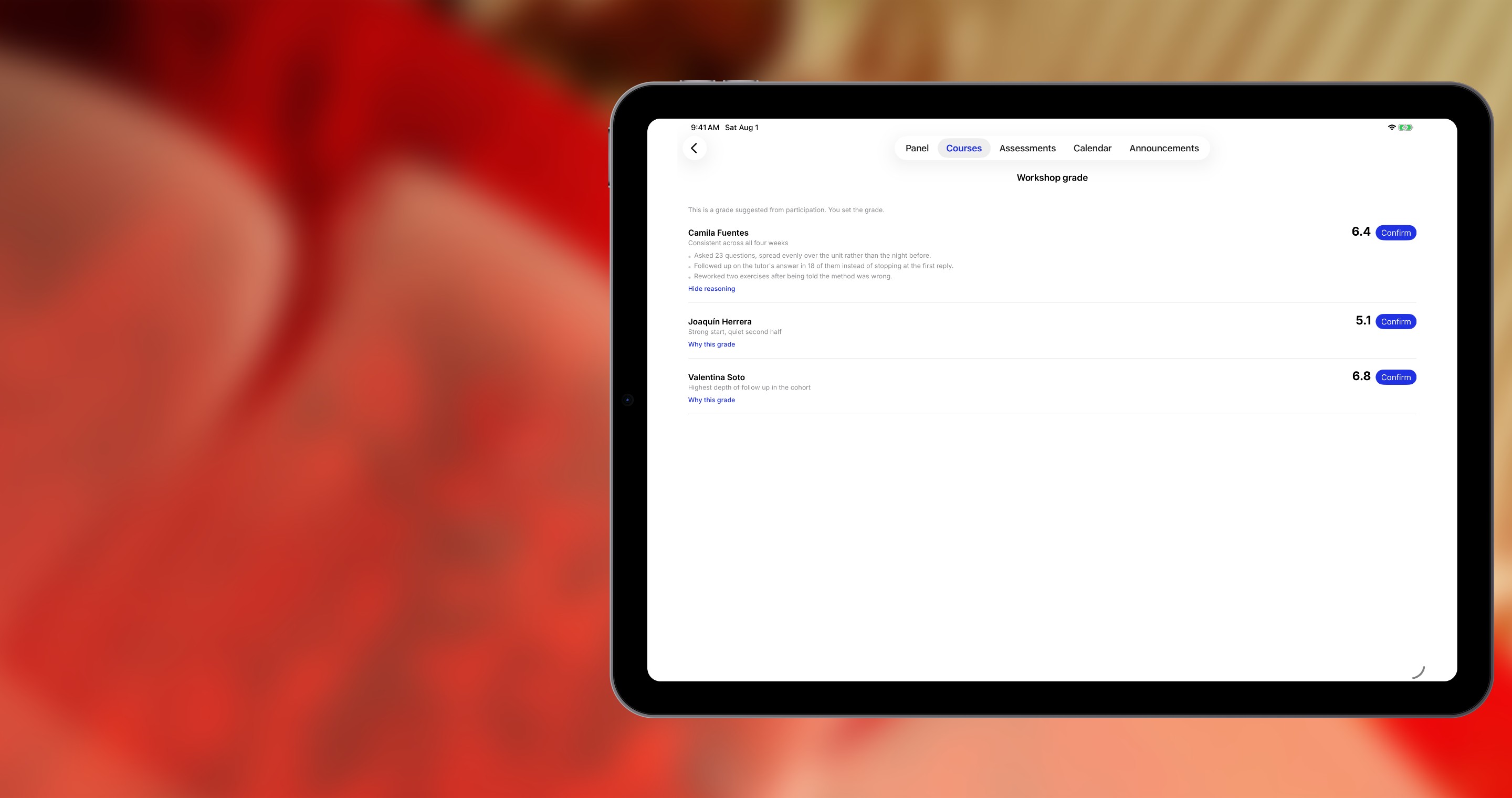
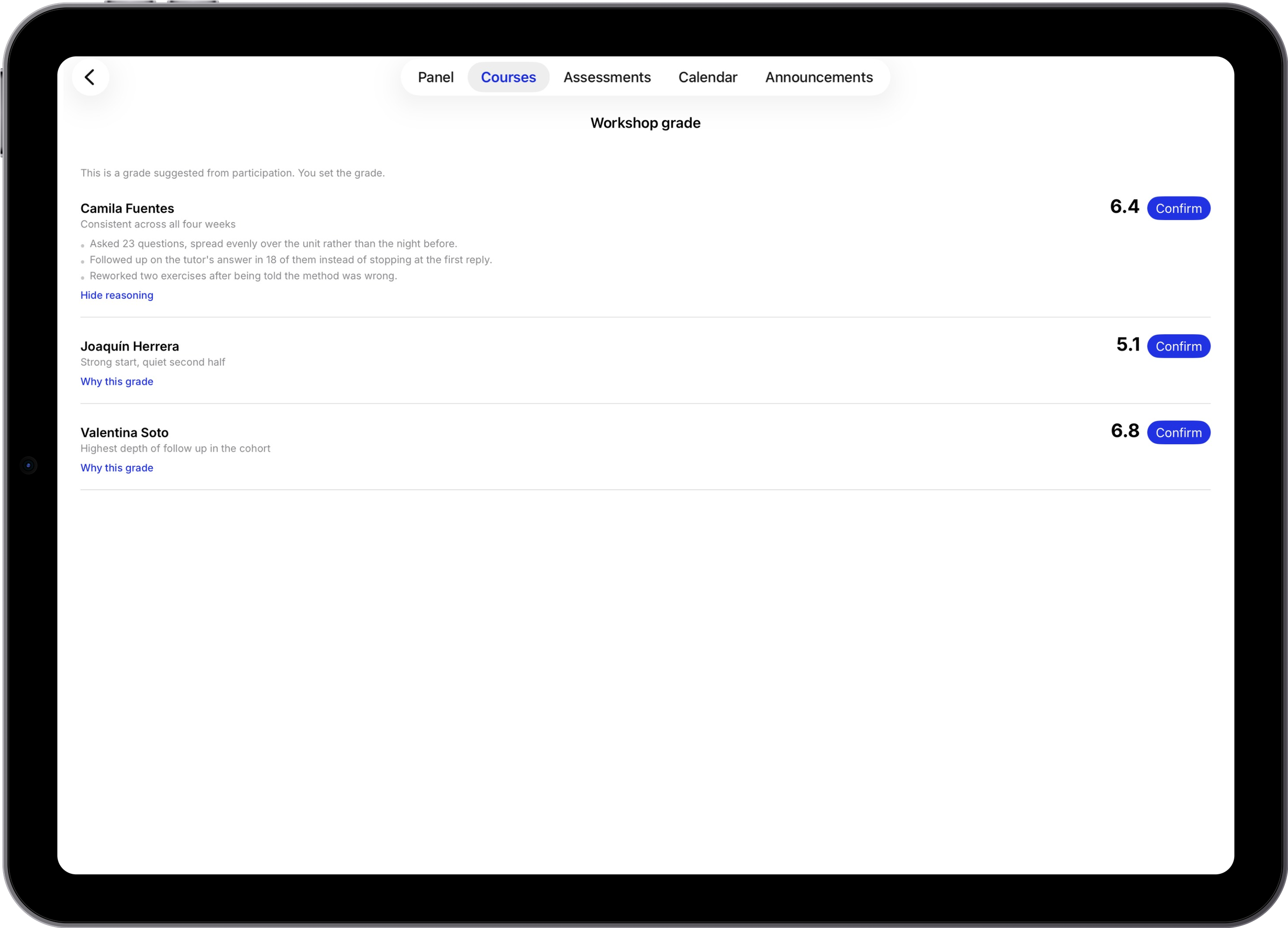
A participation mark the platform proposes and the teacher decides.
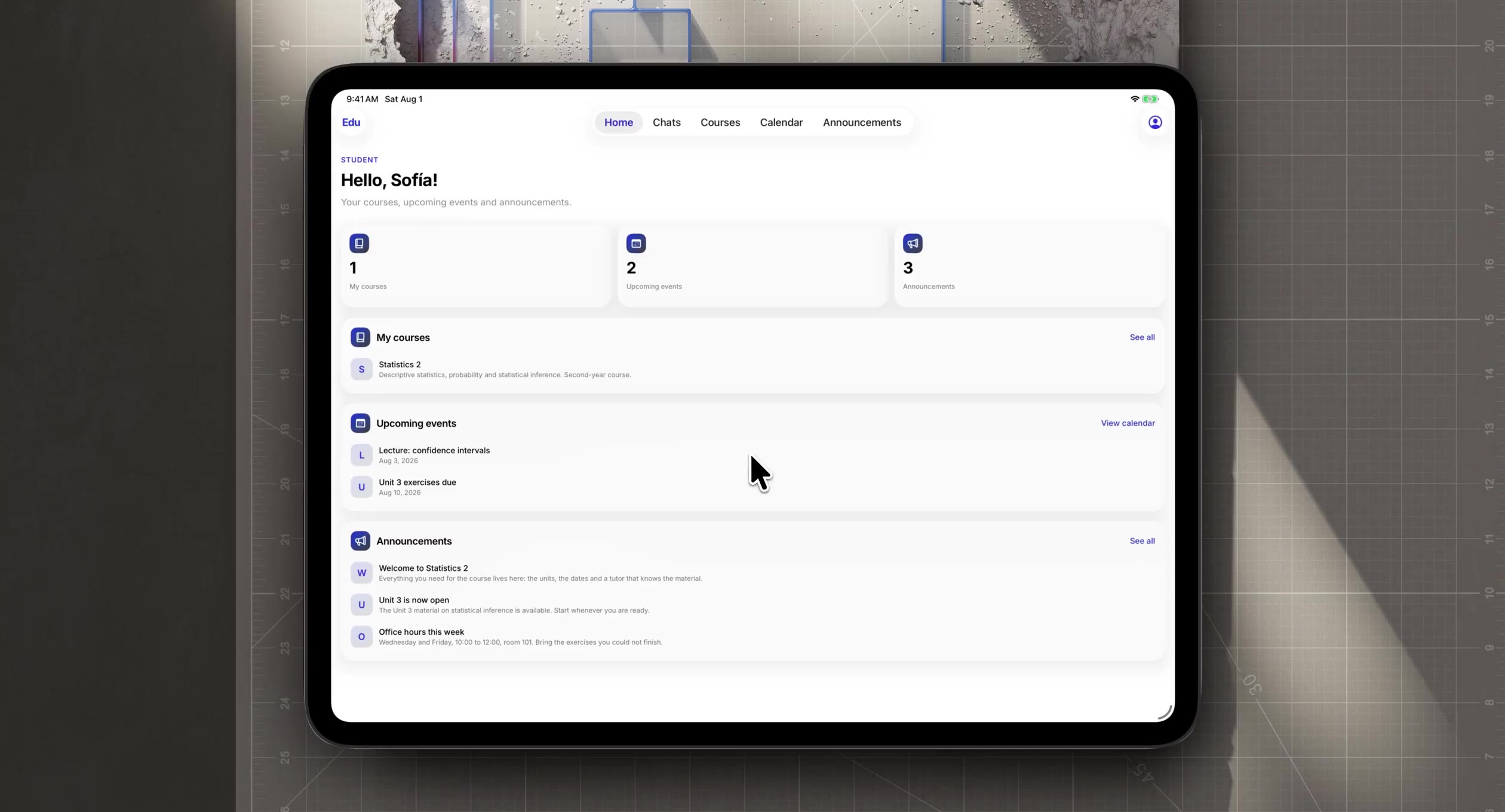
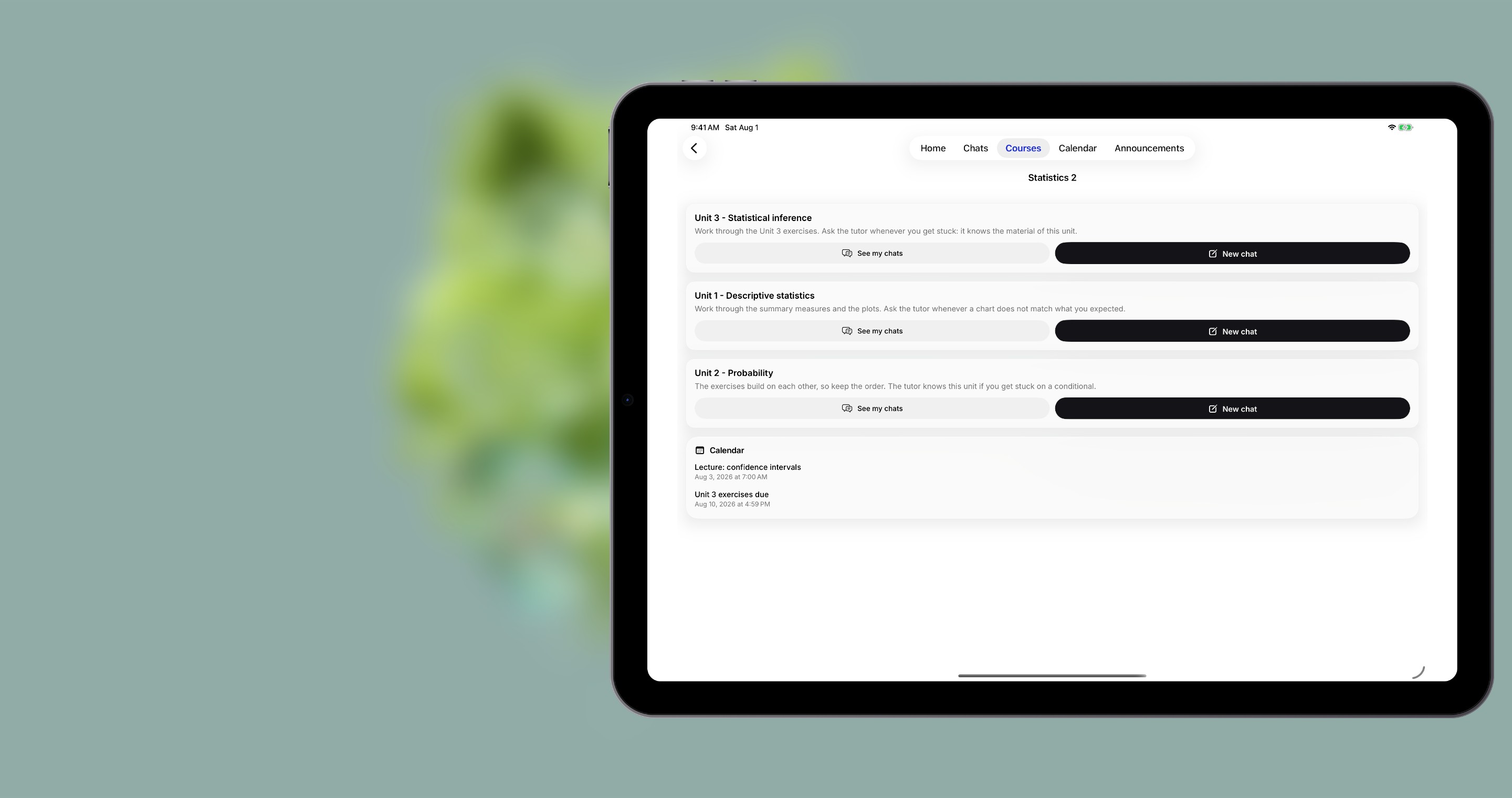
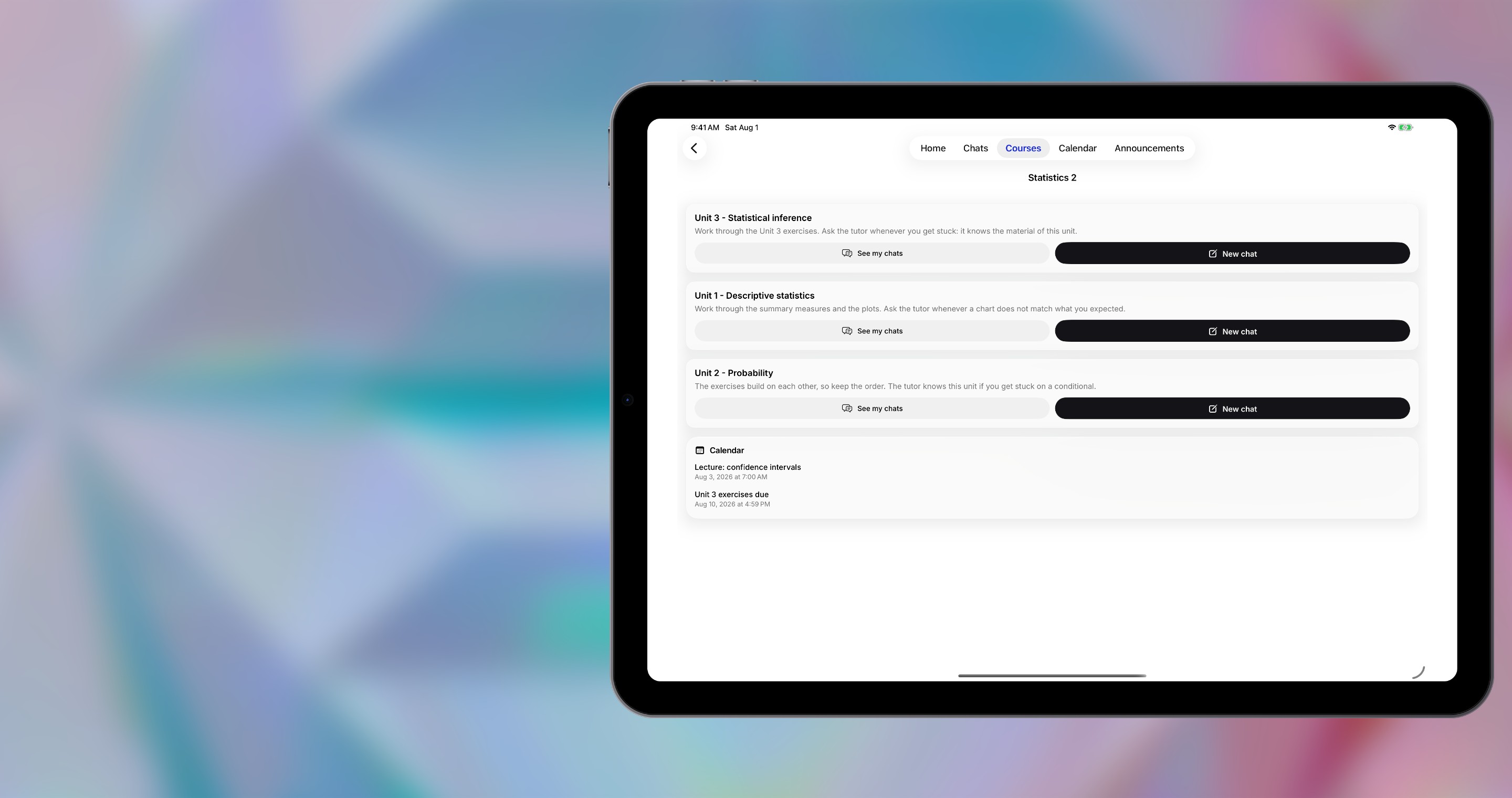
One place for the course: guides, the tutor, and everything the teacher has published.
It gives the formula, names every symbol, and confirms whether a step holds. The arithmetic stays theirs.
Roles. Three of them, and one account can hold more than one. A student opens guides and works with the tutor. A teacher runs the course and reads the analytics. An administrator sees across every course on the platform.
Guidance, not answers.
A tutor that solves the exercise teaches nothing. Every rule in Edu follows from that one conviction, and each of them was set by the teacher running the course, not by us.
What to reteach on Monday.
Coursework becomes evidence. Edu reads how a cohort actually worked through the material and returns a ranked list of what to reteach on Monday.
The tutor is multimodal, so it reads a photograph of a whiteboard as readily as it reads text. Students only ever meet Edu; the model behind it is never named to them.
Every gap carries a severity score, the share of the cohort it affects, and a concrete thing to reteach. It is a queue of work, not a wall of counters.

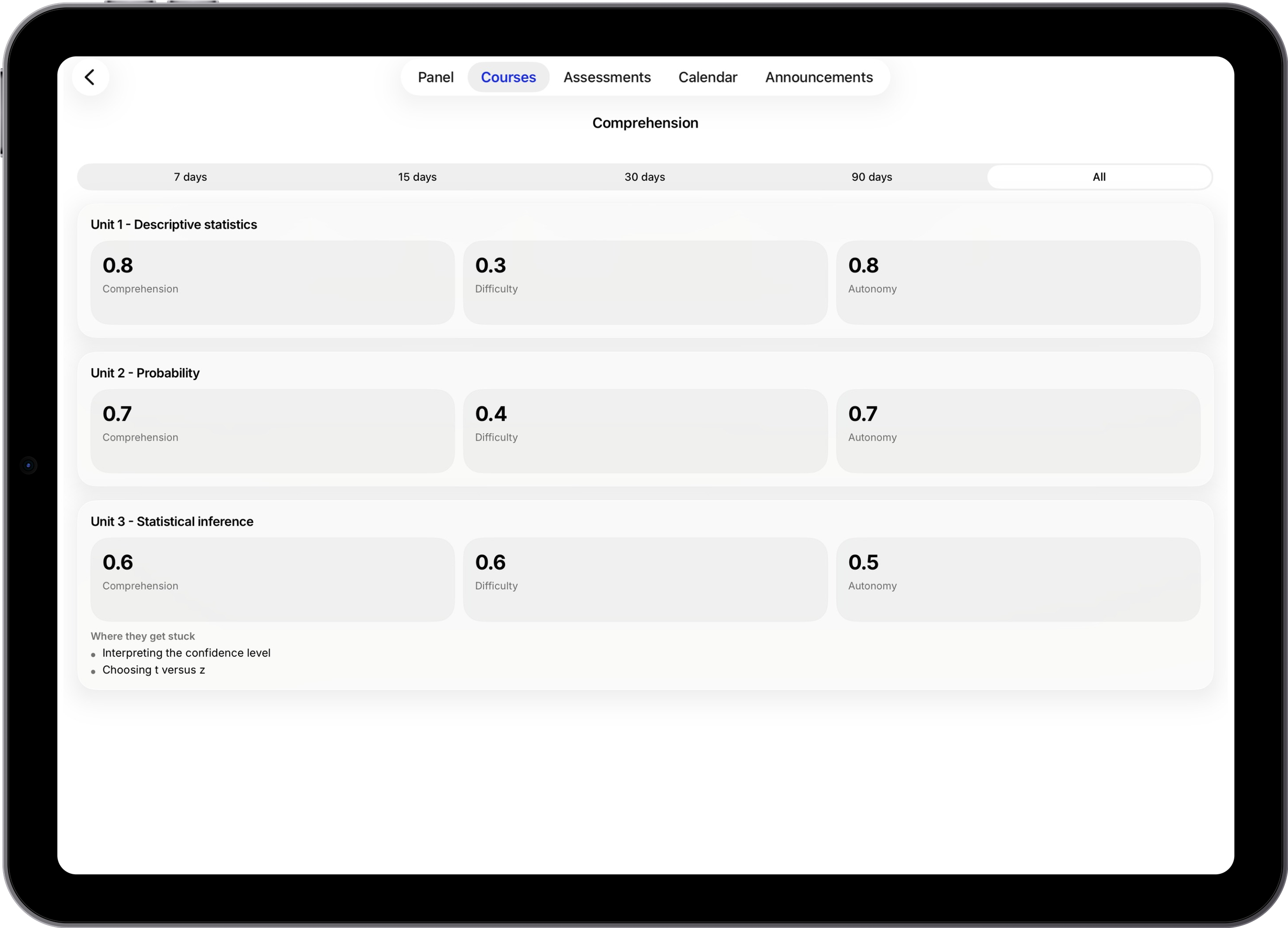
Comprehension, autonomy and difficulty scored per unit, so the unit that is not landing is obvious at a glance.

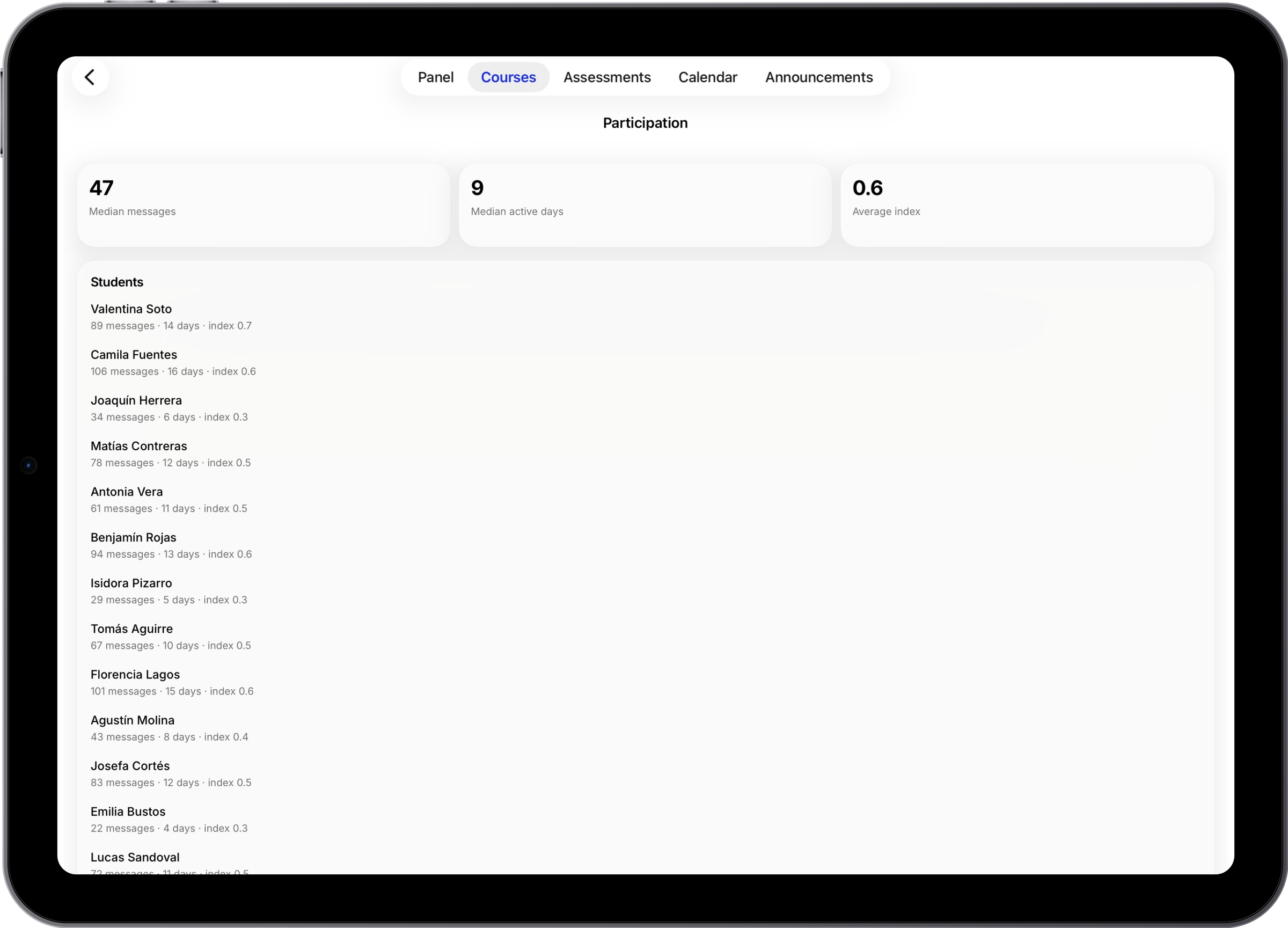
Messages, days active, depth of session and recency, combined into one number between zero and a hundred.

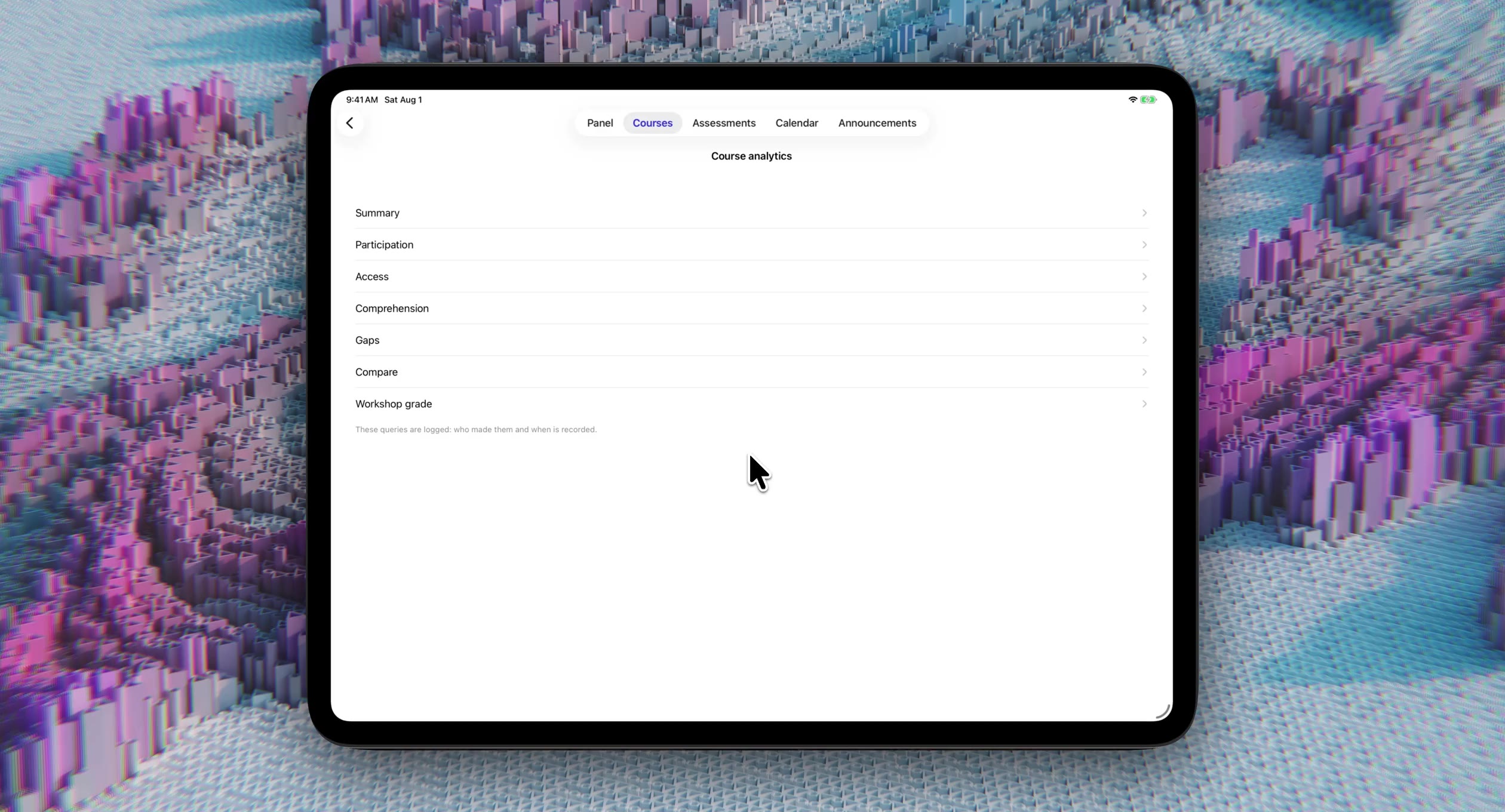
Six ways to read a cohort.
Conversations are the raw material. What comes out is a set of views a teacher can act on before the next class, with the objective measurements kept strictly apart from what a model inferred.
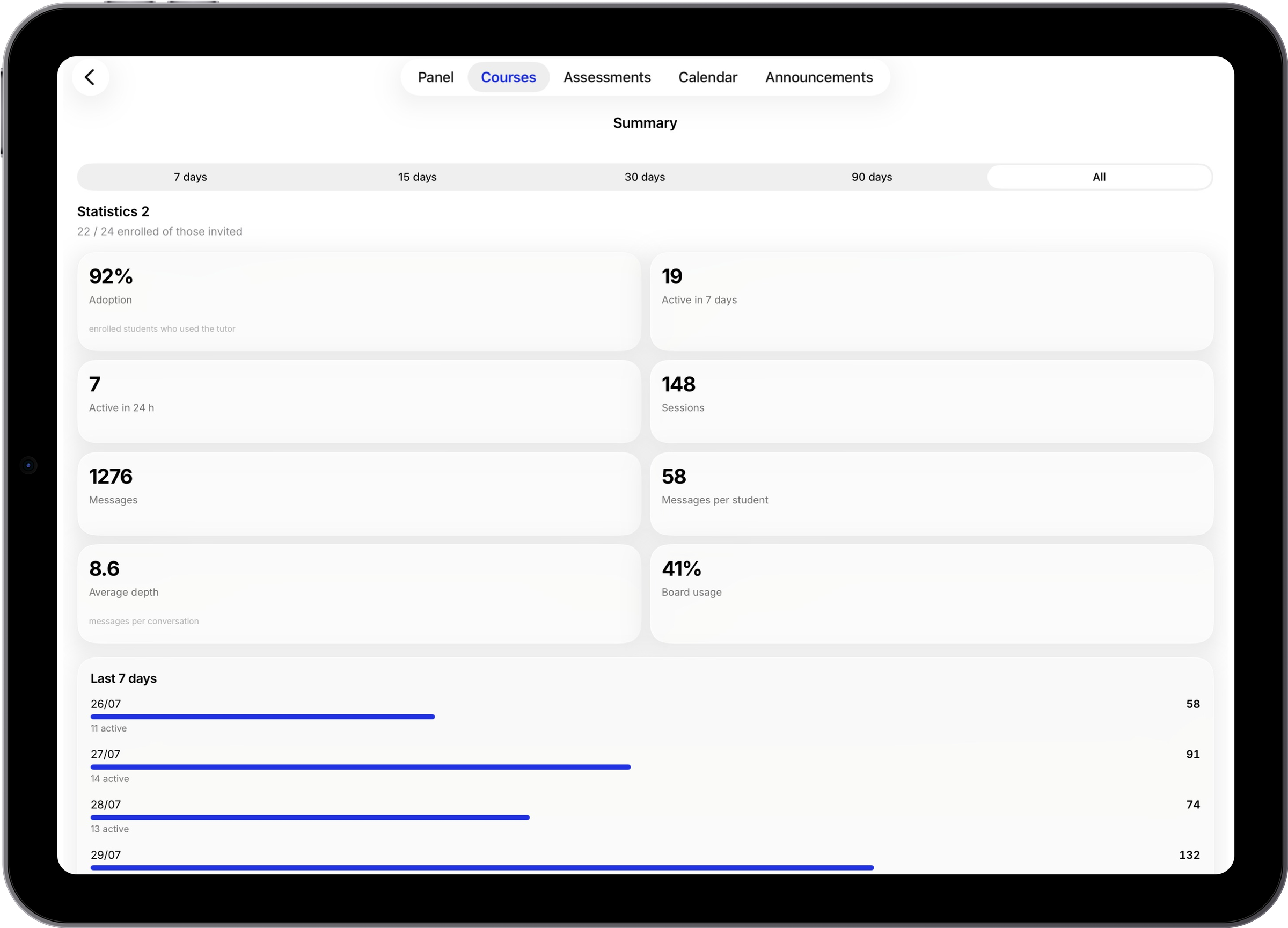
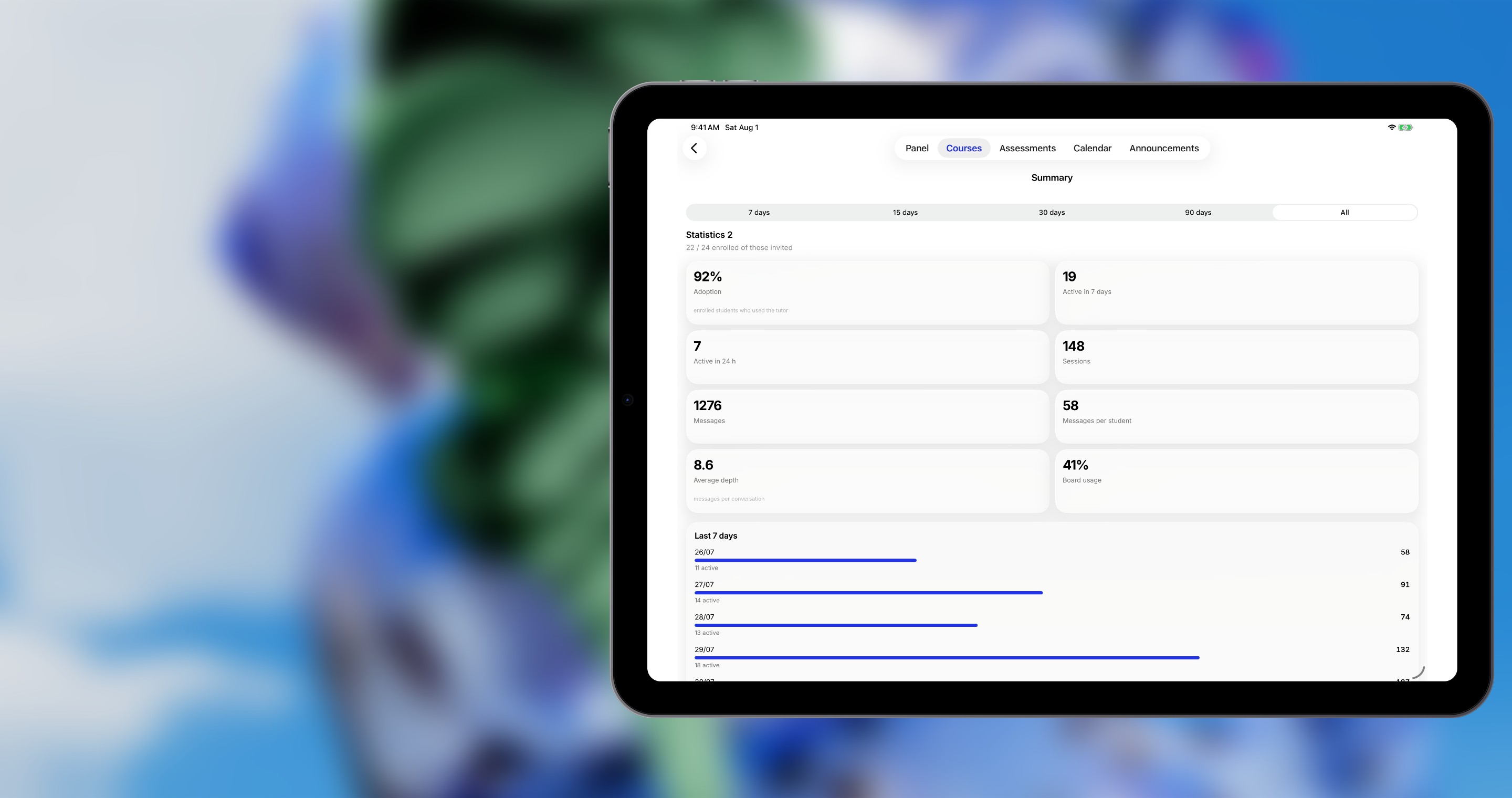
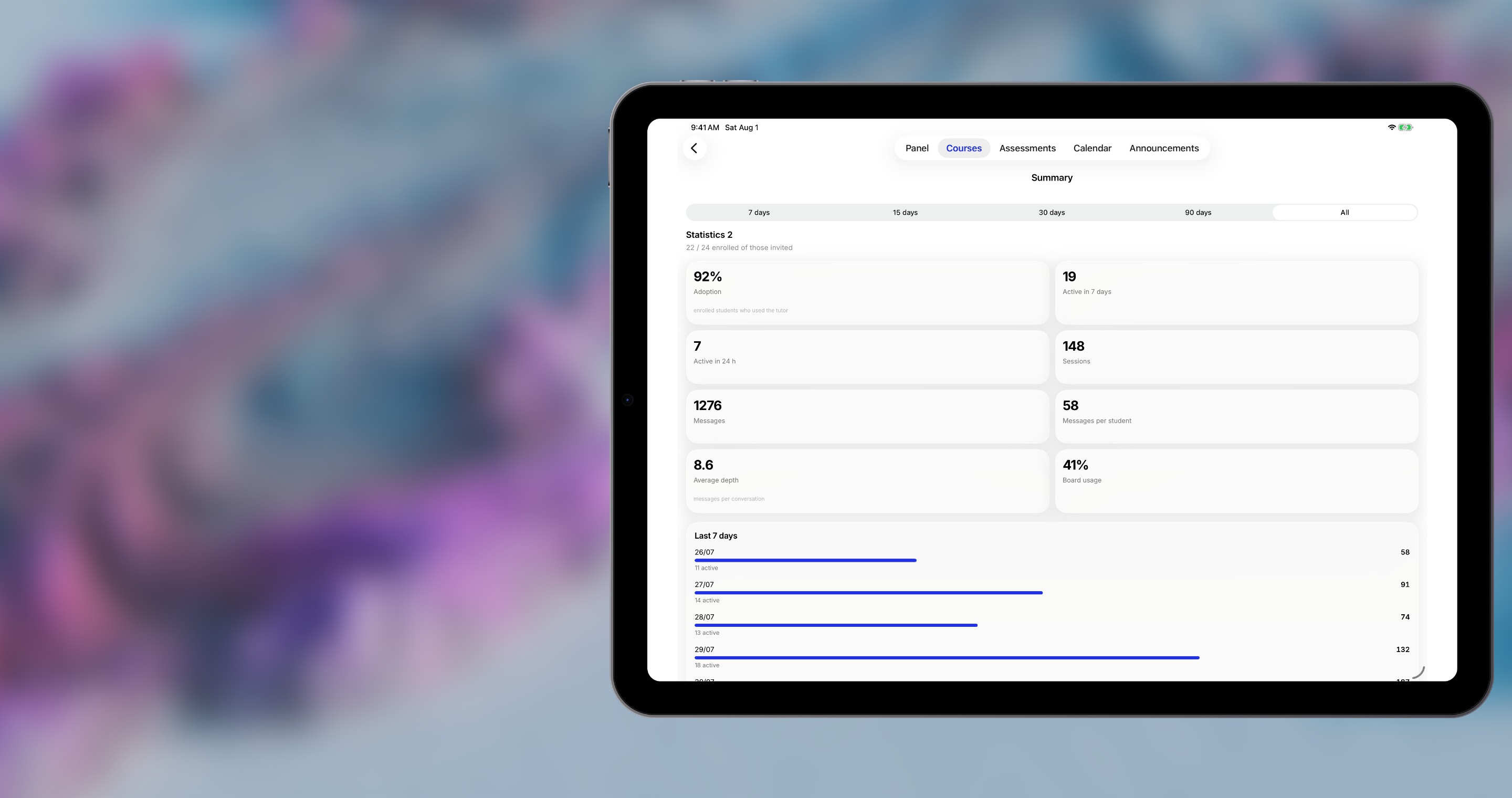
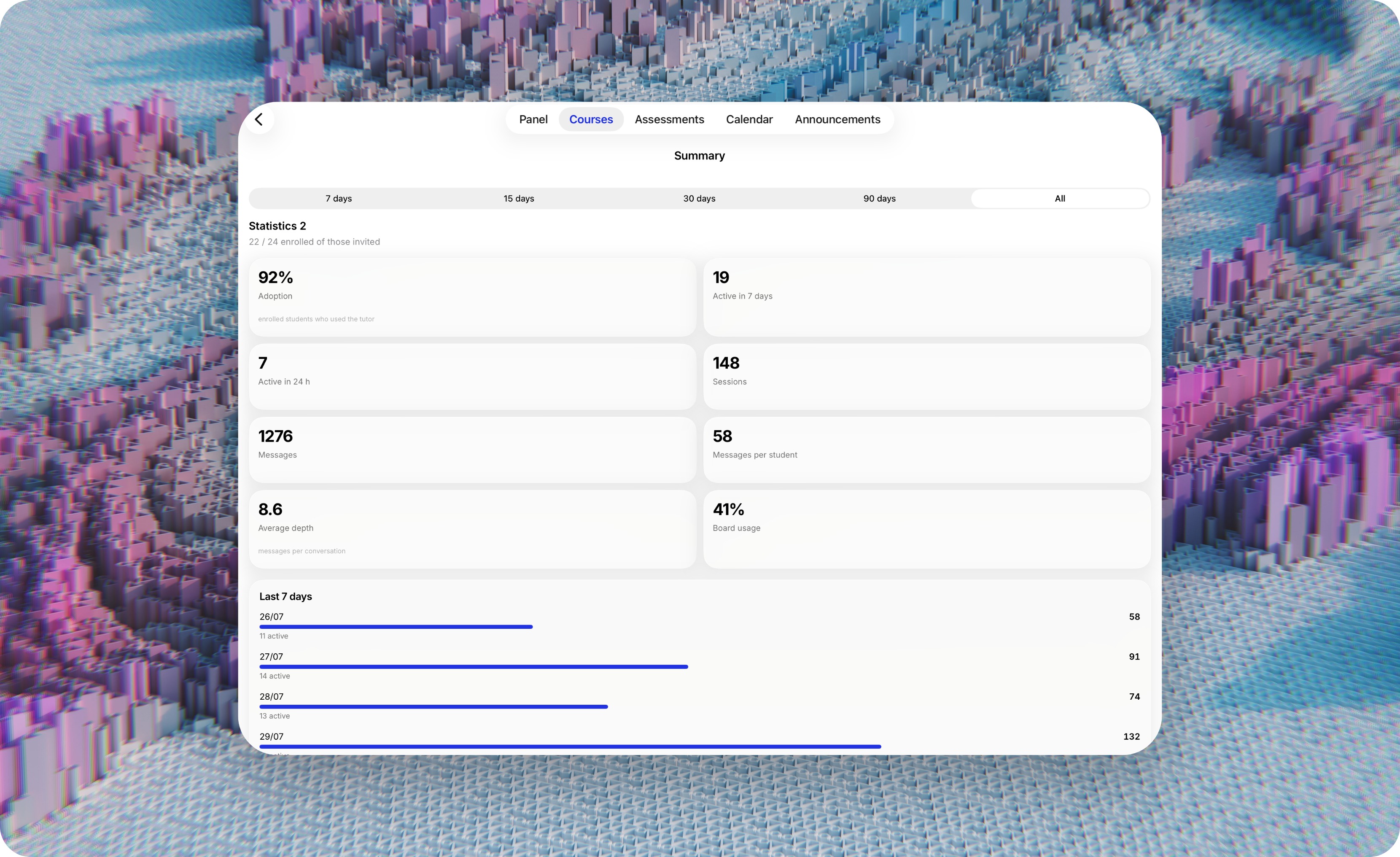
Headline figures for the course: how many are active, how much they are writing, and where the week is heading.
Runs the course, not just the chat.
The tutor is one piece of it. Around it sits the part a teacher actually has to live with: a roster loaded from a spreadsheet, guides published per unit, invitations sent in bulk, and marking that proposes but never records on its own.
Upload the class list from a spreadsheet, then send every invitation in one pass. The parser finds the email column by reading it, not by trusting the header.

Create the course, publish guides per unit, and attach the material the tutor should teach from.
Scanned sheets and the rubric in, a scored proposal with its reasoning out. Nothing is recorded until the teacher confirms it.
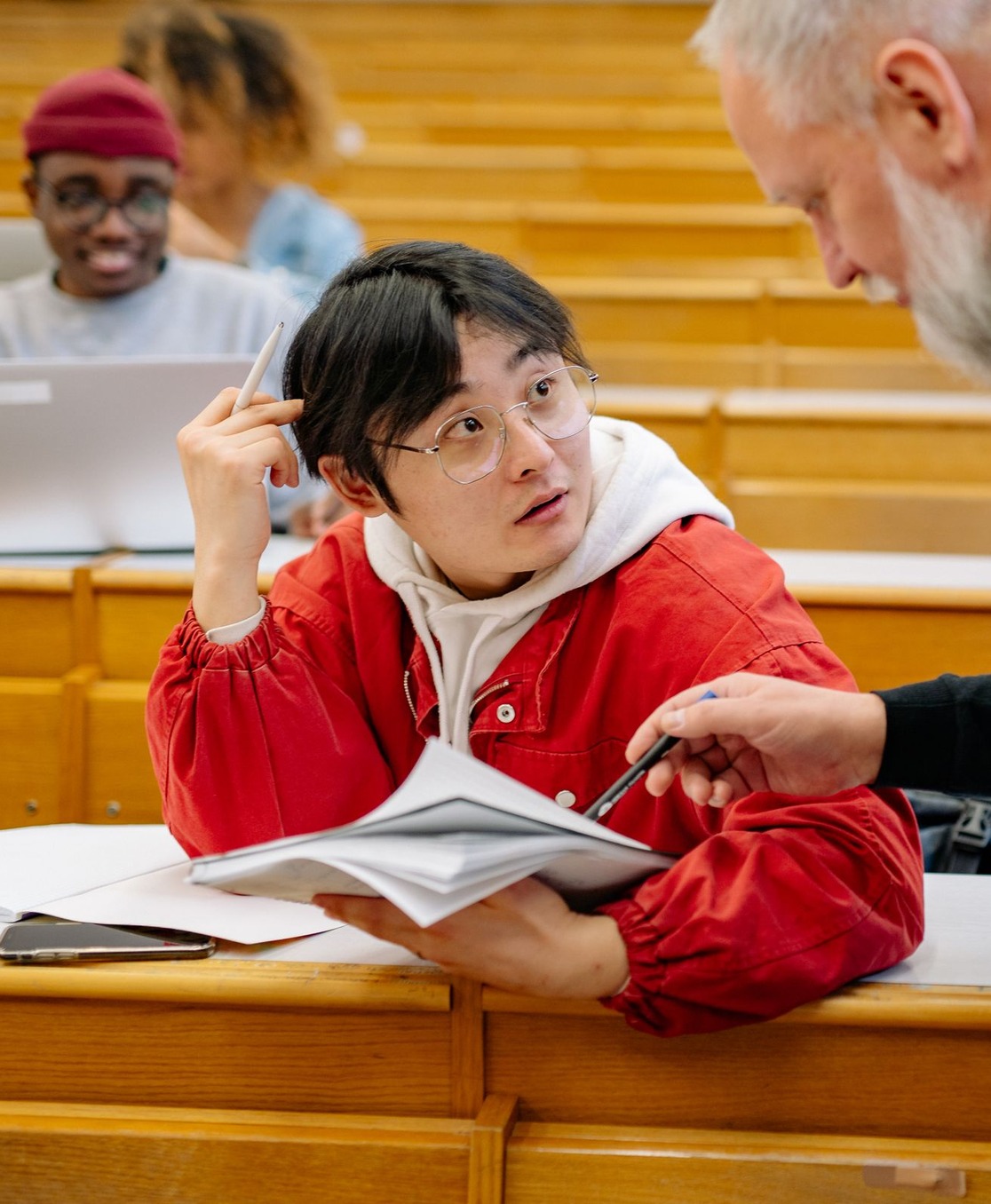
One place for the course.
A student opens one screen and finds the guides, the tutor and everything their teacher has published. Nothing to configure, nothing to install.
Guides, the tutor, and whatever the teacher has published, all behind a single course.

A whiteboard sits beside the tutor. Solve it yourself, send it for review, and the tutor reads your working as an image.

A picture of a notebook page works exactly the same way. The tutor is multimodal, so paper is a first-class input.

Enforced in the maths.
Privacy here is a property of how the numbers are computed, not a paragraph in a policy page. Aggregation, ownership and suppression are all in the formulas themselves.
Cohort views never expose an individual. Per-student figures reach only the teacher who owns that course.

Below a minimum cohort size the inferred indices are withheld outright, because in a small group an average identifies people.

Objective metrics are counts and timestamps, reproducible and auditable. Inferred ones come from a model reading anonymised conversations, and are labelled as signals rather than measurements.

Running in a real course.
Edu is in production with university coursework, with real students and a teacher who set its rules.

Available whenever they study.
The access heat map keeps showing late nights. A tutor that never closes is the point, not a feature.

Know what to reteach.
A ranked queue of what the cohort did not get, with the share affected and a concrete recommendation.

Load a class in two steps.
Upload the spreadsheet, then send every invitation in one pass. Anyone who already accepted is skipped.

Propose, then confirm.
Scanned sheets and the rubric in, a scored proposal with its reasoning out. The teacher has the last word.

Aggregated by construction.
Below a minimum cohort size the inferred indices are withheld, because in a small group an average names people.

Grounded in the class document.
The teacher attaches the unit material and the tutor answers from it, holding the worked solutions back.




Every pedagogical rule in Edu was set by the professor running the pilot. We built what the course needed, then measured whether it worked.

Objective metrics are counts and timestamps. Inferred ones are a model reading anonymised conversations, and we label them as signals because that is what they are.

A tutor that finishes the exercise teaches nothing. Edu gives the formula, checks the step, and stops. The arithmetic never stops being theirs.